
Don’t Risk It — Get your report now and buy your next car with confidence.
Many people are looking for ways to check a VIN number online. Knowing how to read a VIN is one of the smartest things you can do before buying a used car. VIN is made with 17 characters. Those 17 letters and numbers aren’t random at all. They pack in real details about the vehicle, and once you know how to read a VIN, you’ll spot dodgy paperwork a mile off.
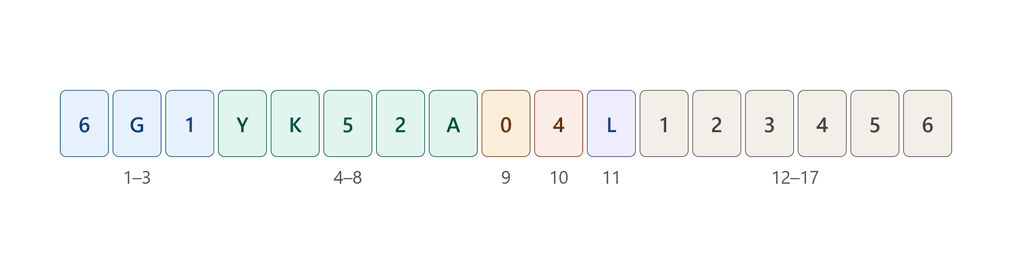
A VIN usually looks something like this: 6G1YK52A04L123456
Each part of the code tells its own little story. Let’s have a squiz at what each section means.
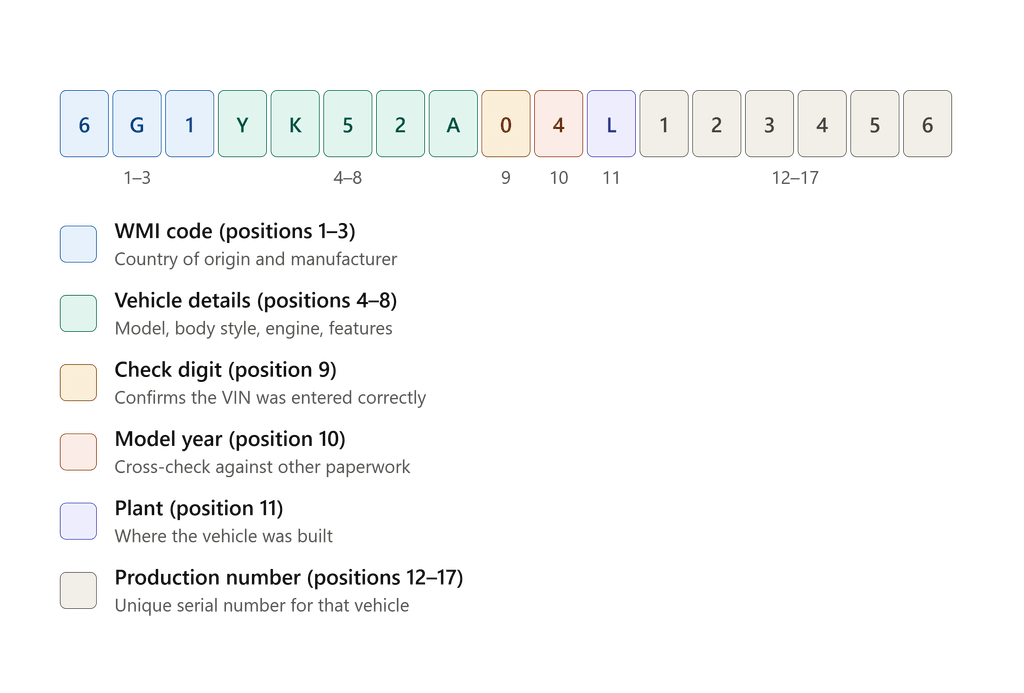
Positions 1–3 (WMI): Where the Vehicle Was Made
WMI stands for world manufacturer identifier. The first three characters show the country where the vehicle was built and point to the manufacturer. The first character often gives away the country or region. The next couple of characters narrow things down to the actual maker and the type of vehicle. Find all the curent WMI codes here.
Positions 4–8: Vehicle Details
Characters 4 to 8 hold the good stuff. Depending on the brand, this section can describe:
- The vehicle model
- Body type
- Engine type
- Series
- Vehicle features
- Safety equipment
Every manufacturer codes this section a bit differently. So the same letter can mean something completely different on two different cars.
Position 9: Check Digit
Character number nine works as a check digit. It’s there to confirm the VIN was entered correctly, kind of like a built-in spelling check. Not every manufacturer or country applies this rule the same way, so don’t rely on this one digit alone to identify a car.
Position 10: Model Year
The 10th character usually points to the model year. Here’s the catch: some letters and numbers get reused across different VIN cycles, so the same character can mean more than one year. Always cross-check the model year against the car’s other paperwork rather than trusting the VIN by itself.
Chart of VIN position 10 model year codes, reordered starting from 1989, each code representing two possible years 30 years apart
Position 11: Manufacturing Plant
Character 11 identifies the plant where the vehicle rolled off the line. What each character means here depends entirely on the manufacturer, so there’s no universal rule to memorise.
Positions 12–17: Vehicle Production Number
The last six characters make up the car’s production or serial number. This is what makes each vehicle one of a kind, even among thousands built on the same day.
Why Getting the VIN Right Matters
Getting every letter correct really matters when you’re running a vehicle check. A VIN has 17 characters, and a few of them may look almost identical:
- O can look like 0
- I can look like 1
- Q doesn’t normally appear in a standard 17-character VIN at all
So, to get things right, copy the VIN straight from the vehicle wherever you can, rather than typing it from memory or a blurry photo.
Read a VIN on the Vehicle
Before running a check, compare the VIN on the car with the VIN on the paperwork. You’ll usually find it in these spots:
- At the bottom of the windscreen
- On the driver’s side door frame
- On the vehicle identification plate
- In the registration papers
- In the service records
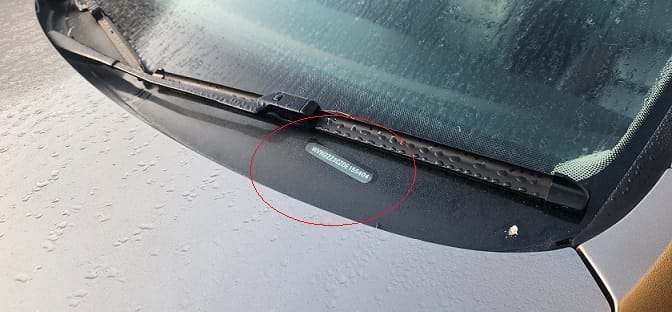
If the VIN on the car doesn’t match what’s on the documents or your report, stop right there. Investigate the mismatch before you hand over a cent.
Does a VIN Tell You Everything About a Car?
Nope, fair dinkum, it doesn’t. Read a VIN to identify the vehicle, however, it won’t hand you the car’s whole life story. But a VIN check can uncover useful history and recorded details, though the results only cover what’s actually on record.
To be on the safe side, for buying any used car, back up your VIN check with a proper inspection, a test drive and an independent mechanical check where possible. Know more about Australian imported vehicles VIN.
Use the VIN to Check a Used Car
Knowing how to read a VIN outlined in post helps you confirm you’re checking the right car, not someone else’s. Hence, before taking any deicions to buy a vehicle, track down it’s VIN, check every character carefully, and match it against the vehicle and its paperwork.
Finally, once you’re confident the VIN checks out, run a vehicle history check to see what’s on record for that car.